
Designing the booth around the experience
Experiential design • Trade show experience
oldie but a goodie
The Challenge
Trade show booths often rely on novelty. A new machine. A big launch. A flashy technology story.
This year, Tennant had none of that.
We needed a way to attract the right people, hold their attention, and show that we understood the real environments our customers cleaned every day—not just the products we sold. We also had to work within an existing footprint: two separate booth spaces positioned kitty-corner from one another, originally divided to keep two brands visually distinct.
The Idea
Instead of centering the booth around what was new, I centered it around who it was for.
Tennant served several key vertical markets—schools, hospitals, retail, industrial/manufacturing, and, because the show was in Las Vegas, casinos felt like a natural addition. I took those environments and brought them to life inside the booth.
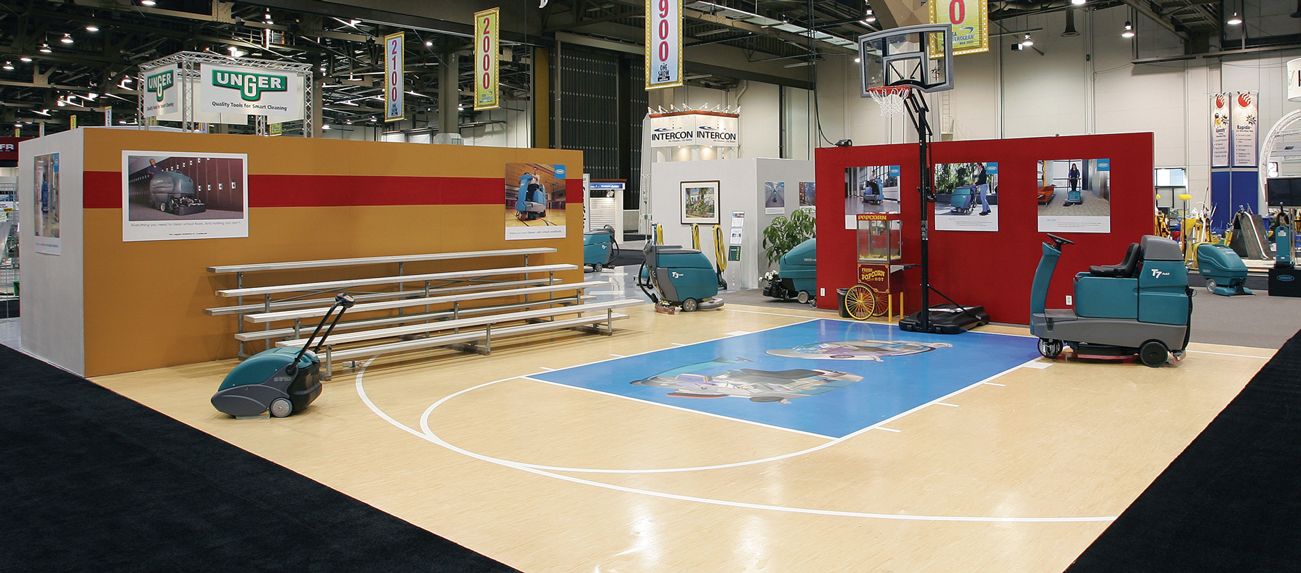
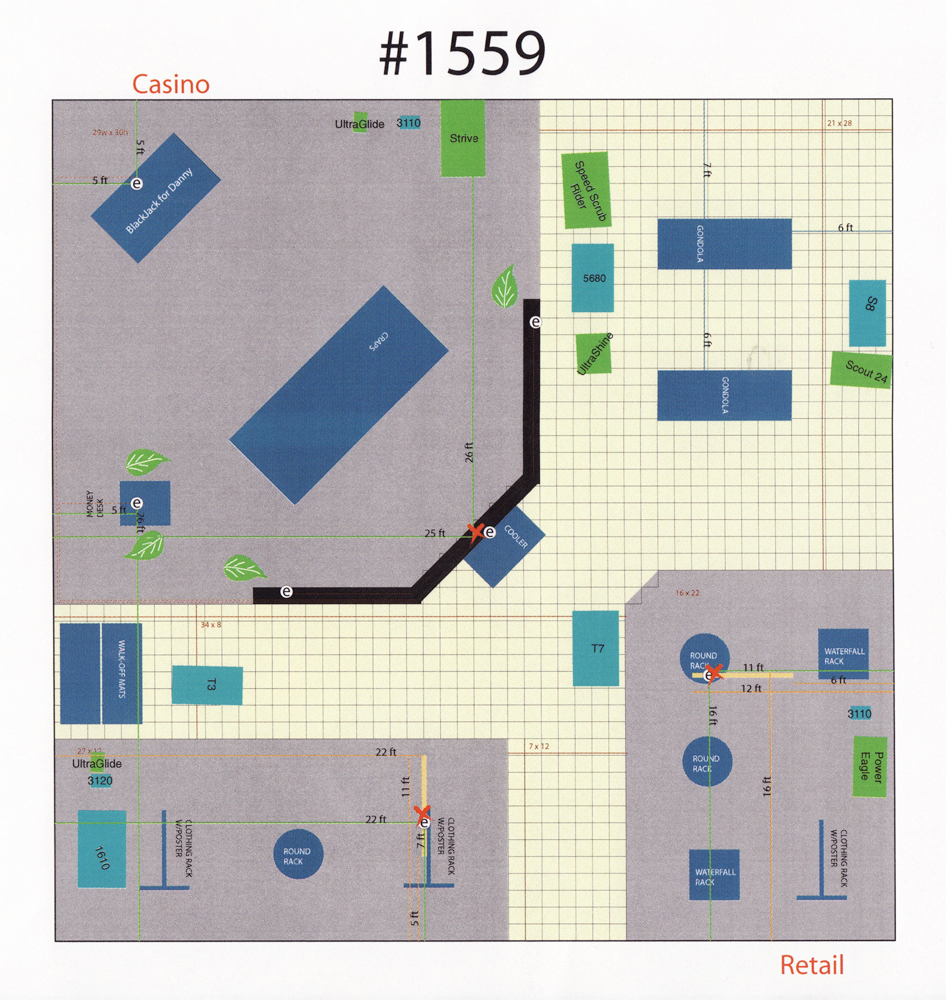
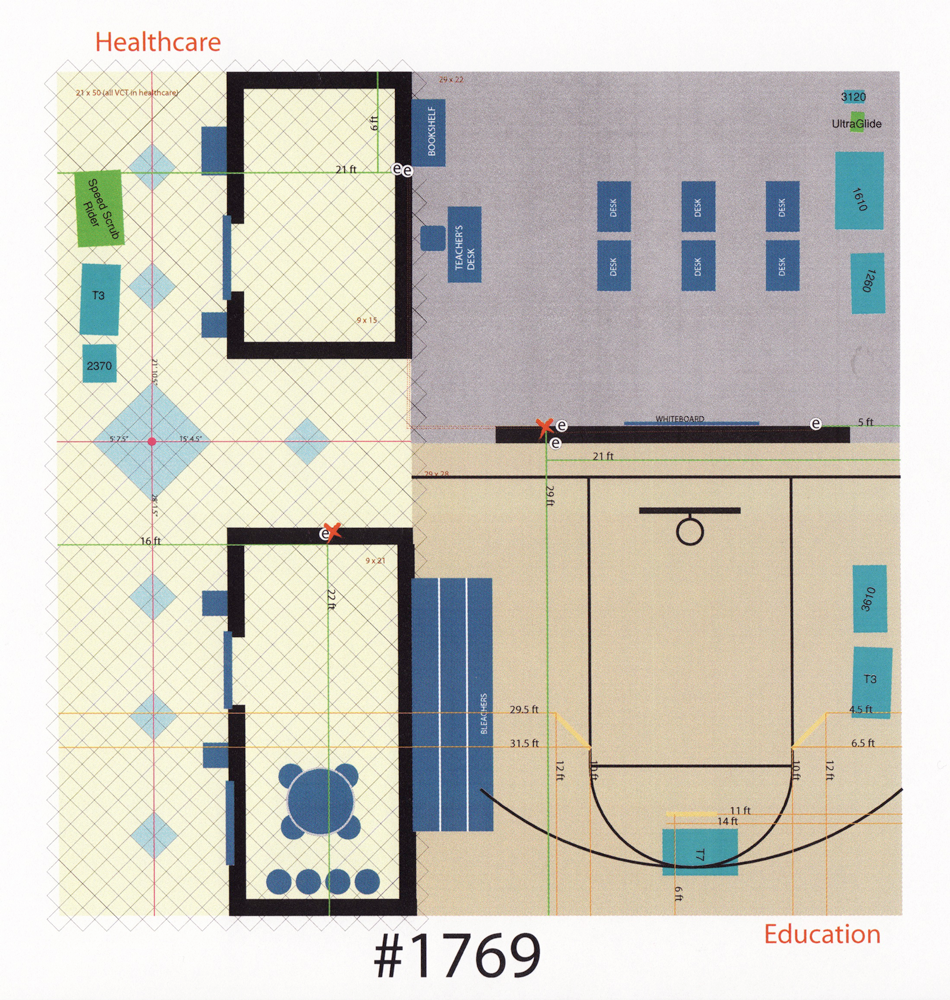
Across the two spaces, I divided the footprint into immersive zones: a hospital, a classroom with half a gym, a casino, and a retail setting. Each one was designed to feel recognizable and specific, with the right flooring, props, textures, and details to make the environment believable.
And it wasn’t just for show. Every area was interactive. Attendees could test equipment where it actually made sense to use it—vacuuming carpet, cleaning up spills, trying scrubbers, and experiencing Tennant’s products in context instead of in isolation.
The Result
The booth set internal records for booth traffic, dwell time, and sales leads. It also earned a booth design award—proof that thoughtful experience design could outperform a product-driven display.
More importantly, it helped Tennant tell a stronger story: not just “here’s our equipment,” but “we understand your world.”
BEHIND THE WORK
This project was part concept design, part visitor journey planning, part environmental storytelling, and part MacGyver-level problem solving.
I developed the overall booth concept, content structure, environmental graphics, and interactive flow. I also helped translate the brand architecture into a more useful customer experience. While the two booth spaces had originally been separated to distinguish between two brands, that distinction mattered less to customers than it did internally.
To make the environments feel real, I sourced and assembled details that grounded each space in the everyday reality of the customer:
- Hospital: patterned VCT flooring, a gurney, privacy curtains, and medical waste bins
- School/gym: classroom carpet, desks, gym flooring, branded court graphics, bleachers, a basketball goal, and even a popcorn machine
- Casino: bold patterned carpet plus custom-branded blackjack and craps table felt
- Retail: mixed flooring, branded merchandise, and grocery gondolas to mimic a real store layout
I also spent time in Las Vegas before the show, borrowing and trading for props and materials from local organizations so the spaces would feel authentic without blowing the budget.
Even the handout became part of the experience: a map of the booth that guided attendees through all four environments. If they visited each one, they got a prize—turning passive foot traffic into active participation.